The Benefits of Organic Farming
By Emma CollinsMarch 15, 2026Organic Farming5 Min Read
Organic farming is more than just a trend—it's a sustainable approach to agriculture that benefits both human health and the environment.

Why Organic Farming Matters
Organic farming focuses on natural growing methods that avoid synthetic fertilizers and harmful pesticides. By using compost, crop rotation, and natural pest control, organic farms maintain healthier soil and produce more nutritious food.
Healthier Food for Everyone
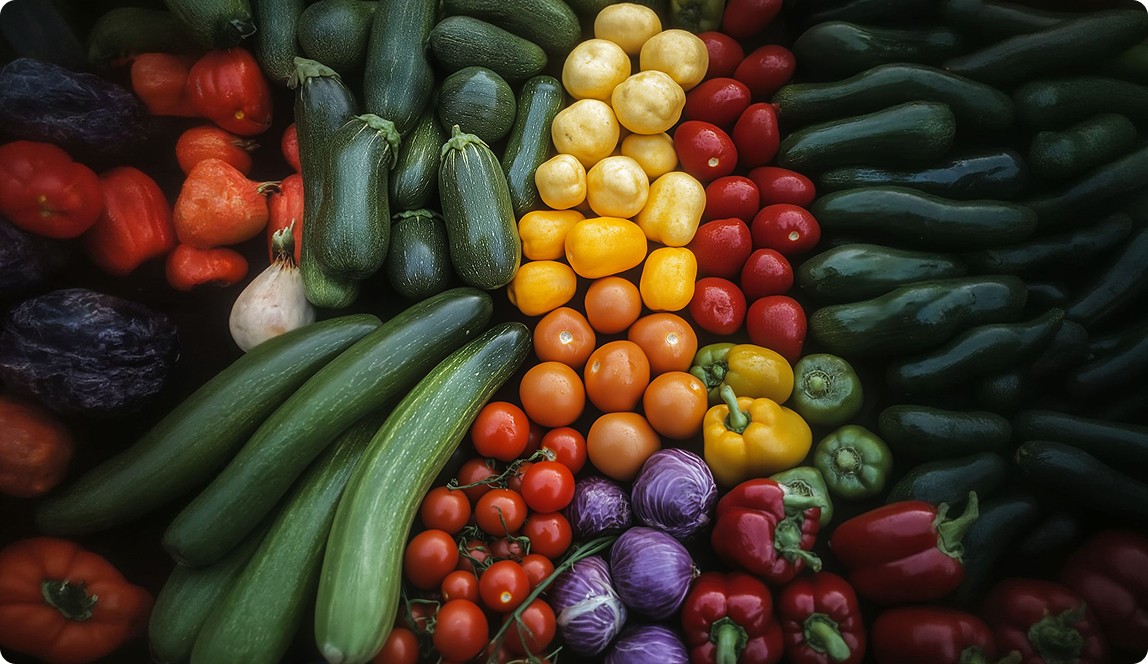
One of the biggest advantages of organic farming is the production of cleaner and healthier food. Organic fruits and vegetables are grown without chemical pesticides, which means fewer toxins enter our bodies.
- No synthetic pesticides or fertilizers
- Higher nutritional value
- Better taste and freshness
Environmental Benefits
Organic farming practices help protect ecosystems and maintain biodiversity. Farmers use natural methods to support soil health and reduce pollution.
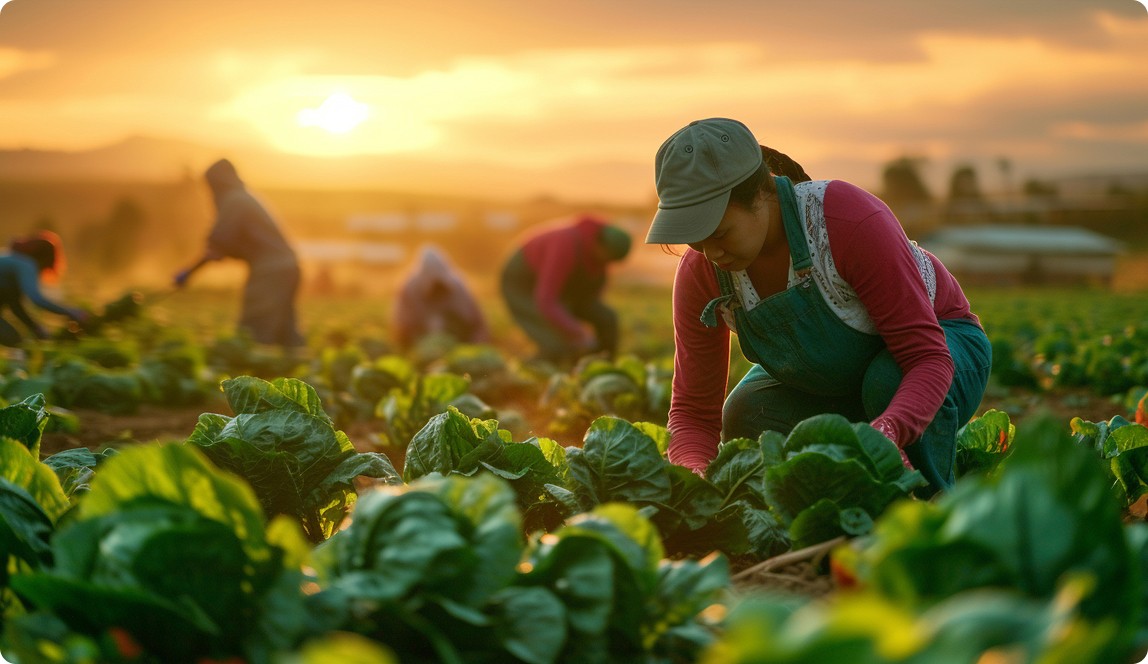
When consumers choose organic products, they often support local farms that prioritize sustainability and community development. Organic agriculture encourages responsible farming and helps farmers maintain long-term soil productivity.

The Future of Sustainable Farming
Organic farming represents a powerful shift toward healthier food systems and sustainable agriculture. By choosing organic products, consumers contribute to environmental protection while enjoying fresh and nutritious food.
At Vesteira, we are proud to support organic farming practices that benefit both people and the planet.